How do antenatal classes work in Iceland?
Short answer
In Iceland, antenatal and birth-preparation courses are offered in several places through the health system. Ísland.is says information is available from your local health centre and maternity care. One Reykjavík-area course is free and covers birth, labour, interventions, caesarean birth, the newborn period and early parenthood. The course is recommended after week 28.
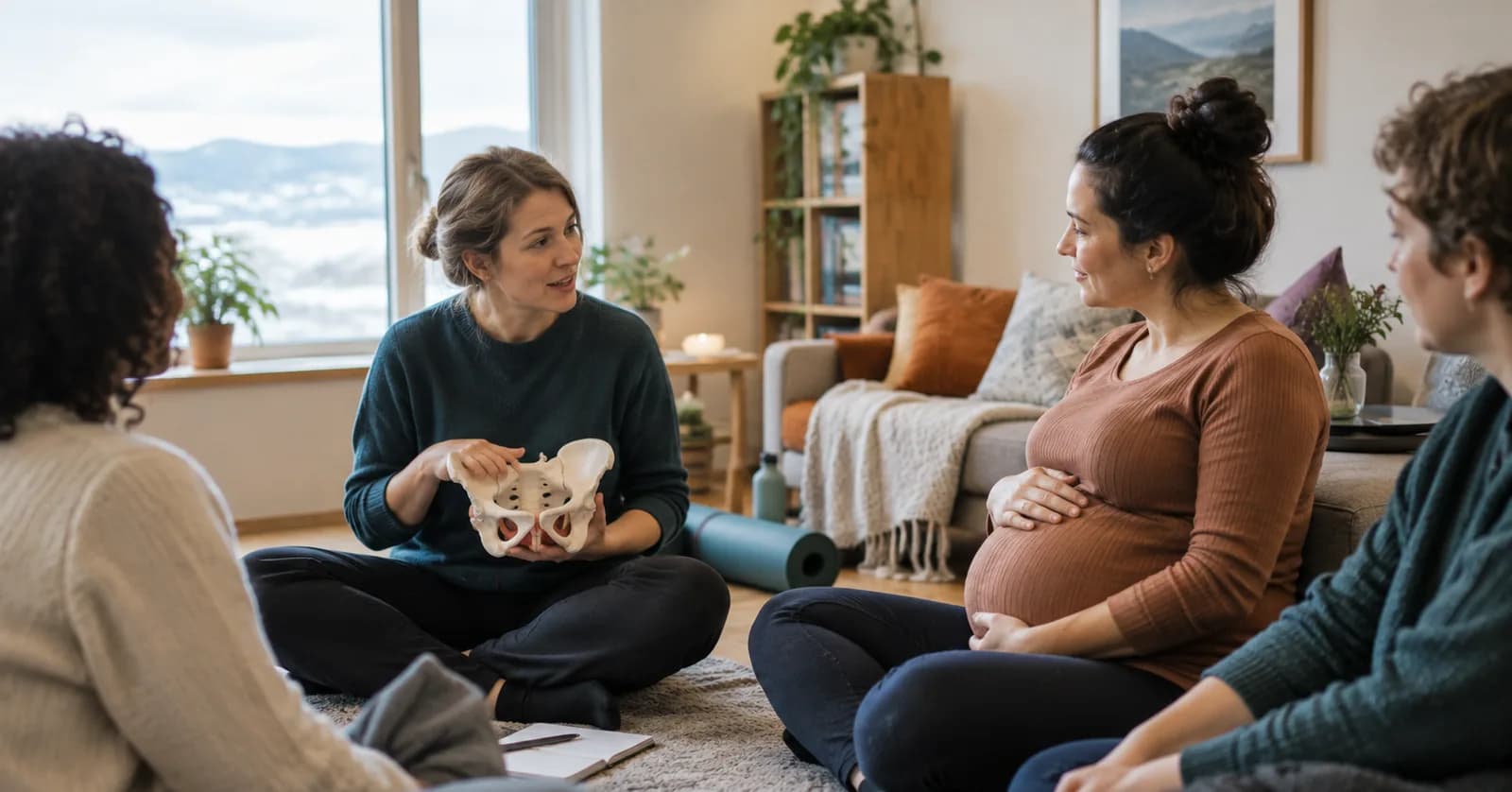
Antenatal classes help you prepare for birth and the first days with your baby. In Iceland, courses for expectant parents are offered in several places, and Ísland.is says you can get information about available courses from your heilsugæsla (local health centre) and maternity care. The exact course, timing and format can therefore depend on where you receive care.
A free birth-preparation course is available through Heilsugæsla höfuðborgarsvæðisins (Capital Region Health Care). Its purpose is to build parents' confidence and give them practical ways to take an active role in birth. The course covers how to recognise that labour may be starting, ways to manage the early part of labour and contractions, factors that can affect birth, interventions and caesarean birth, and the newborn period, bonding and adjusting to becoming a parent.
The Reykjavík-area birth-preparation course is online. It takes place over two sessions, with two hours in each session. People who register receive a link before the course. The health service says the course is free for expectant parents and recommends starting after week 28. You are expected to commit to attending both sessions.
Other preparation courses are also offered through the health service. Heilsugæsla höfuðborgarsvæðisins lists a course called Barn verður til - og foreldrar líka! (A baby is coming — and parents are too!), which focuses on relationships, communication, child development, parents' wellbeing and the transition to parenthood. The service says it is free for expectant parents and that it is suitable to start after week 25. The current page does not show a course currently open for registration.
Birth preparation can also include movement and relaxation. Landspítali recommends birth-preparation education, relaxation and breathing practice, and yoga or other exercise during pregnancy. Its Fæðingarparís material is designed as a practical framework for mental, physical and emotional preparation and recommends starting it at about week 20. The material includes movement, breathing, relaxation and use of a yoga ball.
Yoga is also mentioned in official pregnancy exercise guidance. Heilsuvera says yoga can be one form of strengthening exercise during pregnancy and notes that organised classes for expectant mothers are available in some places, including swimming, yoga and exercise classes. If you choose such a class, the guidance says to start gently and gradually increase the effort in consultation with the instructor.
Private midwife-led birth-preparation classes are different from courses provided by the health service. The official pages opened for this article confirm that courses are offered through the health system and that midwives are involved in some of them, but they do not provide enough information to confirm a separate nationwide category of private midwife-led classes, their prices or how to book them. Check with your own heilsugæsla or maternity care if you want to know what is available locally.
You can start looking into classes during weeks 20 to 34. If you are around week 20, you can begin with the preparation material from Landspítali and ask your maternity-care team what courses are available. From week 25, the Capital Region health service lists one parent-focused course as suitable to start. From week 28, its birth-preparation course is suitable to start. Availability and registration dates can change, so check the current official course page before making plans.
Icelandic words in this guide
- Heilsuvera — National Health Portal
- Heilsugæsla — Primary Healthcare Centre
- Ísland.is — Government Digital Services Portal
What you need to do
- 1Ask your heilsugæsla (local health centre) or maternity-care team what antenatal courses are available.
- 2Check the current official course information for timing, format and registration.
- 3Choose a birth-preparation course that fits your pregnancy stage and circumstances.
- 4Attend both sessions if the course requires you to commit to the full course.
- 5Practise breathing, relaxation and suitable movement as part of your preparation.
- 6Check with the instructor or your maternity-care team if you have questions about exercise during pregnancy.
Questions parents ask
Are antenatal classes free in Iceland?
When should I take a birth-preparation course?
Can my partner or another support person come?
Is prenatal yoga available through the health system?
This guide is general information, not advice about your situation. Rules, costs and deadlines change — check the official source before you act on it.
Vagga is an informational planning assistant. It does not replace official government, healthcare, legal, financial, or medical advice. Always confirm deadlines and requirements with the relevant Icelandic authority or professional. Learn more →